
Disclaimer: This guide is not government-affiliated. Information provided as-is without warranty of accuracy. Contact your local housing authority to verify current information. | Last Updated: September 25, 2025
Vermont’s Section 8 game is rigged—if you just follow the official steps, you’ll get lost in the shuffle with everyone else desperate for an apartment that never comes. But after months battling the system, I figured out which waitlists actually move, how to tap emergency slots, and the backdoor ways real people skip the line (none of which you’ll find on any government website). If you want the straight-up tactics that will actually get you housed, read on—this is the playbook I wish someone handed me on day one.
Critical Legal Info for Vermont
In Vermont, it’s still open season for landlords who want to say “no” to Section 8—there’s no state law stopping them. No city or county has stepped in to close the gap either. No law means landlords can legally reject your voucher. If you think the refusal targets you based on race, disability, or another federally protected class, Fair Housing rules might help—but “source of income” alone isn’t covered. Save every message, keep your paperwork, and don’t give up. The search is tough, but persistence and documentation are your best allies.
You’re Looking for Affordable Housing in Vermont—Here’s the Real Talk
Look, let’s skip the BS: you’re not reading this for fun. You’re here because the rent just shot up, your landlord’s dropping eviction notices like confetti, or some medical disaster just wiped out your last bit of savings. Vermont might look all cozy and green on the postcards, but when you can’t pay for a roof, it’s just as brutal as anywhere else.

Don’t feel weird—you’re not alone. Everyone who lands here has done those 2 AM doom-scrolls. I’ve been there: phone in hand, cycling through sketchy listings and old Facebook posts, hoping the next tap isn’t just another dead end. The stress is real. The sense that every office, every hotline, is set up to make you wait, give up, or blame yourself? That’s not your imagination.
So here’s the deal nobody tells you: Vermont’s affordable housing system is a maze, and most of the signs are in code. The people running it won’t admit how long the waits really are, or how many lists are just circles leading nowhere. This isn’t a guide for people who have all day to fill out forms and wait for “someone to contact you.” This is the playbook I wish someone had handed me when I was staring down the barrel of eviction:
- Which waitlists actually move, and which are dead weight
- How to jump the line (legally) with emergency slots—yeah, they exist, but you have to know exactly what to ask for
- The truth nobody at the housing authority will say about Vermont: the counties, the bottlenecks, the real pay-to-play moves
Don’t waste another hour on feel-good advice or “just call this number” nonsense. You need the tactics, not the talk. Every step in this guide is about getting you housed, not just “informed.” If you need a friend who’s been chewed up by this system and knows where the shortcuts—and the traps—are, you’re in the right place.
Yes, Section 8 Housing Is Available in Every Vermont County
Here’s what actually happens: every single county in Vermont—yeah, all 14, not just the Burlingtons and Brattlesboros—has Section 8. Don’t let anyone tell you otherwise. Here’s the list, memorize it if you have to:
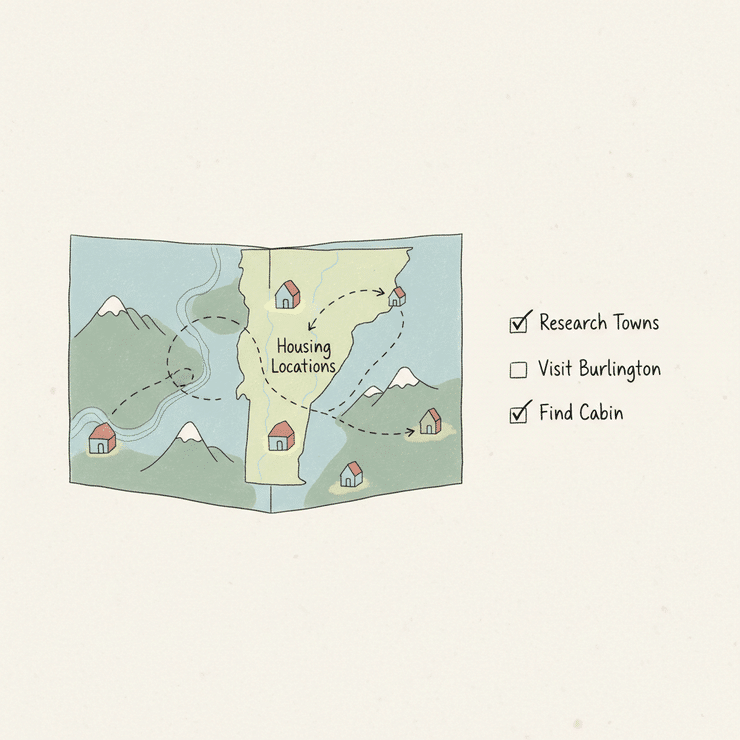
Addison • Bennington • Caledonia • Chittenden • Essex • Franklin • Grand Isle • Lamoille • Orange • Orleans • Rutland • Washington • Windham • Windsor
No exceptions. No loopholes. If someone tries to claim their area “doesn’t do Section 8,” they’re either new, lazy, or straight-up wrong.
Here’s the truth nobody tells you: housing authorities don’t just cover their own zip code. The borders are blurry on purpose—sometimes Rutland County’s office handles stuff for half the state, and you have zero obligation to stick with your home county’s list. If Rutland’s waitlist is closed, flip the script and look at Bennington, Franklin, wherever you can stomach living. You can and should apply to every open Section 8 list within 100 miles.
These lists are a moving target. One shuts, another opens, and they do NOT coordinate with each other. You could have your name on five lists at once and that’s exactly what you want—because the system plays favorites (and sometimes lotteries) and you’ll never get a straight answer about when your name will come up. Vermont’s not big. If you can handle it, look at New Hampshire and New York too. Yeah, it means a move, but sometimes the grass is literally greener across a state line.
Here’s how they keep you in the dark: wait times are a crapshoot. Some places will look you dead in the eye and quote “three years,” others run a lottery where it’s pure luck, and either way, you’re never getting a guarantee. Don’t waste time trying to get a real answer—they don’t have one. The only way to have a shot? Get your name on every list the second it opens, as many as you possibly can. No one’s going to do it for you, and there’s no penalty for being on a dozen at once. That’s how people actually get housed in Vermont—not by sitting around for a single county to call them back.
What Section 8 Housing Really Means in Vermont
Here’s what actually happens: Section 8 isn’t some golden ticket that lands you in a safe apartment overnight. It’s a government program—federally funded, but run by local housing authorities—that pays part of your rent straight to your landlord. You pay what they decide you can “afford” (usually 30% of your income, but don’t expect them to care if you can’t swing it), and the voucher is supposed to cover the rest.
The truth nobody tells you? There are always way more people who need Section 8 than there are vouchers available. Especially in Vermont, right now. It doesn’t matter how urgent your situation is—the system is overrun.
There are two flavors of Section 8: tenant-based (that’s the classic voucher, moves with you if you move) and project-based (tied to a specific apartment or building). Here’s the part most people miss: Don’t sleep on project-based lists just because they sound less flexible. Sometimes those move way faster than the regular waitlist. If you only chase tenant-based, you might be waiting years longer.
What Vermont Section 8 Applicants Are Facing in 2025
Yeah, it’s messed up, but here’s how to deal: 2025 is rough. Funding is shaky everywhere. The Burlington Housing Authority is openly warning people about budget cuts, freezing new vouchers, even yanking vouchers they already gave out. Don’t think they won’t pull the rug out from under you—they absolutely will if the money dries up.
Real talk about wait times: last year, the average was 13 months. But averages mean nothing when some people get in after a month and others wait five years or more. It’s brutal. Some housing authorities have frozen their lists completely—no new vouchers, period. But here’s the play: never let a closed list stop you from applying everywhere else. The more lists you’re on, the better your odds. You’re not “taking someone else’s spot” by applying. You’re just giving yourself a shot anywhere you can find one.
Common Myths About Section 8 in Vermont
Let’s kill these myths right now:
- Myth: “If I apply to one list, I’m in the system everywhere.” Absolutely false. Every single housing authority runs its own list. You have to apply to each one separately—so Google your county (like “Windsor County housing authority Section 8”) and hit every list that’s open.
- Myth: “I have to wait for an invitation.” Nope. You have to hunt for openings. Most lists are closed most of the year. You only find out about openings if you’re constantly checking websites (which are often outdated, by the way) or calling. Don’t expect anyone to notify you—they won’t.
- Myth: “If I miss one email, I’ve blown my shot.” Sometimes that’s true, sometimes not, but here’s the reality: missing deadlines is hands down the #1 reason people lose their place. Check your inbox and your spam folder every damn day. Housing authorities are infamous for sending one email and moving right on if you don’t answer.
This system is unforgiving. The people who get in are the ones who treat it like a second job. Stay relentless. That’s how you beat the system—even when it’s stacked against you.
Step-by-Step Guide to Applying for Section 8 in Vermont
Here’s what actually happens with Section 8 in Vermont: If you want even a shot at getting a voucher before you’re old enough to qualify for senior housing, you need to get system-level ruthless right now. Follow this, don’t improvise.

- 1. Google isn’t optional—this is how you find hidden lists. Take 15 minutes, seriously set a timer, and Google: “[your county] housing authority” and then do it for every single neighboring county. Yes, even the ones across the state line if you’re near the border. Vermont’s got patchy coverage, and authorities overlap—if you don’t check, you’re missing out. Map out every possible housing authority within 50 miles. Write down the full list. Don’t trust what you think you know—county lines here are weird, and some towns get covered by multiple agencies.
- 2. Paperwork will destroy you if you aren’t ready. Grab these docs right now—not later, not when you’re already panicking in a parking lot: birth certificates, Social Security cards (for everyone in your household), last three pay stubs (or, if you’ve got no income, proof of that—unemployment letters, a signed statement, whatever you can get), bank statements, your current lease or your eviction notice, and any paperwork about medical conditions or disabilities. The truth nobody tells you: most people get stalled for weeks or even months over missing paperwork. Don’t be that person. Put it all in a folder, scan it with your phone, save PDFs to your email.
- 3. Make a spreadsheet. Yes, really. Organization isn’t sexy, but this is how people actually get housed. Set up a tracking spreadsheet (Google Sheets if you don’t have Excel, or even a notebook if you’re old-school). Columns: Authority Name, List Status (open/closed), Date Applied, Login Info (username, password—don’t lose this), Next Check Date. Every time you call or apply, fill it in. When they lose your application (and they will), you’ve got proof and your login ready to go.
- 4. Phone script—don’t waste time or get emotional. When you call, say: “Hi, I need to know if your Section 8 list is open and when the next opening might be.” That’s it. Don’t explain your situation—sad stories don’t move you up the list. Get the info, write it down, hang up. Your only job here is to find open lists and get on them.
- 5. Applications go online, but the websites are trash. The truth: most Vermont housing authority sites look like they were built in 2003 and crash the second the list opens. Set alarms for the exact minute they say the application opens. Have every single document ready as a PDF—no last-minute scanning. You might get one shot before the site dies. Don’t fumble it because you didn’t prep.
- 6. Follow-up is not optional. Set a recurring reminder—every 30 days, not 29 (makes you look desperate), not 31 (they forget you exist). Call or email: “Hi, just checking my application status.” That’s all you say. Repeat every month. If you don’t, your application goes to the bottom or vanishes. Yeah, it’s messed up, but that’s the system. Stay on it.
Do this, and you’ll have a fighting chance. Skip a step, and the system eats you alive. That’s the reality.
How to Find Section 8 Resources in Vermont That Actually Help
Here’s what actually happens: if you just search “Section 8 Vermont” and click the first thing you see, you’ll end up wasting hours on dead links, fake waitlists, or—worse—scammy sites trying to get your info. Instead, get specific. Google these exact phrases: “[your county] housing authority waiting list”, “Vermont Section 8 application”, and “affordable housing [your zip code]”. Don’t just click the top hit—dig two, three pages deep. The real stuff is often buried because nobody updates their sites and the good ones get buried by junk. Expect broken links and PDFs from 2017. That’s normal. If you see an application, check the date—if it’s more than a year old, Google ‘[your county] housing authority’. If not, move on.

Here’s the truth nobody tells you: Facebook is where the real-time info lives. Search for groups like “[City] Housing Authority Updates”, “Section 8 Vermont”, and “[County] Affordable Housing”. Join. Turn on notifications. Lurk hard. You’ll see people posting when a waitlist randomly opens up for five minutes, or if someone’s heard about emergency vouchers getting released. Ignore the drama and focus on the posts from people actually dealing with this—those are your breadcrumbs.
Not all nonprofits are worth your time. Some are just nameplates on a door, handing you a pamphlet and a “good luck.” Go for names with a real track record: John Graham Housing and Services is legit. If a place wants money up front or is vague about what they actually do, walk away. Real help doesn’t cost you a dime and they’re up front about their programs. Don’t waste your last hours of phone battery on some “community support center” that basically just Googles things for you.
Housing authority websites are a nightmare on purpose. They scatter info across ten tabs and half the links don’t work. Ignore all the “About Us,” “Mission Statement,” and “Tenant Portal” garbage. Go straight to “News” or “Announcements”—that’s where they’ll quietly post if a waitlist is actually open or if they’ve got new funding. Everything else is filler and will just make you mad.
Yeah, it’s messed up, but here’s how to deal: If you’re facing eviction, are homeless, have a disability, are fleeing domestic violence, or your family is getting split up by DCF—there are legal fast tracks. They’re called emergency preferences and family unification programs. If you even partially qualify, do not be shy—bring it up in every email, every call, every form you fill out. They legally have to move you up the list. Don’t let anyone brush you off or say “everyone’s situation is important.” Push. Repeat yourself. If you get a “no,” ask for it in writing. Sometimes just being loud enough gets you bumped up, because they don’t want trouble. That’s the truth.
What to Expect from Section 8 in Vermont—The Good, Bad, and Ugly
The Good
If you somehow score a voucher—yes, even in 2025—your rent can drop so much it’ll make your head spin. We’re talking about going from constant panic about making rent to actually having a shot at planning your life. For once, you can maybe save a little, breathe, and not have to live like a fire drill every month. The truth nobody tells you: Vermont’s average wait time to get a voucher is actually less than what people in a lot of the country face. It’s not a miracle, but it’s not all doom, either. If you’re in a smaller county (think Essex, Grand Isle, or Orange), things can move way faster than in the bigger cities—fewer people equals shorter lists. Also, there’s a couple of community orgs (not the official housing offices) that actually care enough to help you with paperwork and call you back if you get stuck. Just don’t expect miracles or hand-holding.
The Bad
Here’s the stuff nobody on the official websites will admit: the funding is shaky as hell. They can—and do—snatch back vouchers even after people have waited literal years. Some housing authorities just stop giving out new vouchers, no warning, no explanation. So don’t even think about counting on it until you’re physically holding the voucher. Read that again.
And the wait? Average is 13 months, but you could be staring at 2, 3, even 5 years, depending on where you are and who’s running the list. And nobody is going to call or text to remind you. You have to keep checking your status yourself, or they’ll just quietly drop you. One missed letter, one change of address they don’t have, and you’re out—back to square zero.
The paperwork is a nightmare. They want everything: pay stubs, IDs, landlord info, your cat’s maiden name (ok, not really, but it feels like it). If you miss one form, or get a date wrong, they’ll bump you to the end of the line. You have to babysit every single step. No one’s going to chase you down to fix a mistake.
The Ugly
Let’s get real: scams are everywhere. If anyone asks you for money to “guarantee” your spot or sends you some janky link to apply, run. Vermont’s had a wave of social media scams and straight-up fake application sites. The truth: you never, ever pay to apply, and you only trust .gov or official local housing authority info. If you’re not sure, Google ‘[your county] housing authority’—but even then, double check, because outdated sites are everywhere.
And here’s the brutal part: you can lose your voucher for tiny mistakes. Miss an inspection date? Fill out a renewal form late? Misunderstand something in the rules? Gone. With all these funding cuts, the housing authorities aren’t playing. There’s zero patience. One slip and you’re out, and they will not care about your story.
Last thing, and it’s the ugliest: the housing shortage in Vermont isn’t just headlines. There are literally thousands more people who need homes than there are places to rent. Even if you have a golden ticket voucher, good luck finding a landlord who’ll take it—especially in college towns or the tourist hotspots. Landlords get dozens of applications for every apartment, so they’ll skip voucher holders if they feel like it. That’s the game right now—messed up, but you need to know before you waste time.
So yeah, Section 8 can save you—but only if you know exactly what you’re up against and don’t let the system trip you up.
Take Action Today
What You Can Do Right Now to Get Section 8 in Vermont

Here’s what actually happens: the folks who get housing aren’t the ones with the neatest paperwork—they’re the ones who never stop moving. Start today. Map out every housing authority within 50 miles of you—yes, even the tiny ones you think won’t have openings. Google “Vermont housing authority list” with your county name. Make a list, and don’t trust any website dates—call them. Ask straight up: “Is your Section 8 waitlist open? If not, when did you last open, and when do you expect to again?”
Don’t just sit on your hands waiting for the stars to align. Dig up every document you could possibly need: ID, social security card, income proof, past leases, birth certificates for everyone in your household—the whole pile. Trust me, the moment a list opens, you’re up against a hundred other people who don’t have to scramble for paperwork. You want to be the first name in.
Set up a spreadsheet right now—track every housing authority, which lists are open, last time you called, who you talked to, and what they told you. Put reminders in your phone’s calendar to call back. Don’t assume they’ll notify you. They won’t.
Every open list? Apply, even if it’s a long shot. For closed lists, call and ask, “When are you opening next? Can I get on an interest or notification list?” Sometimes they have secret pre-lists or email blasts only if you ask. If they say no, ask again in a month.
Here’s what nobody tells you: Facebook groups are often faster than official channels. Join every Vermont housing or Section 8 group you can find—turn on notifications. People post about open waitlists and last-minute chances. The second you see an opening, drop everything and apply.
Don’t Wait for a Perfect Moment
Yeah, it’s messed up, but here’s how to deal: there is never a perfect time to apply. If you wait until you’ve got everything “just right,” you’ll be years behind. This is a numbers game and a timing game—action beats perfection every single time. If you don’t know something, apply first and figure it out as you go. The people in charge move slow, but you can move fast.
Remember: You’re Not Alone
The truth nobody tells you: thousands of Vermonters are grinding away at the same busted system, getting ignored and told “no.” You are not the only one hustling for an opening—so don’t get discouraged. Use that frustration. Stay on it, keep your notes tight, and connect with others going through it. Lean on real people, not just the official lines. And if someone says no, that’s just the start of the conversation—not the end. Every time you check, call, or apply, you’re one step closer than everyone who gave up. That’s how you beat the odds.