
Disclaimer: This guide is not government-affiliated. Information provided as-is without warranty of accuracy. Contact your local housing authority to verify current information. | Last Updated: September 25, 2025
Let’s be real: Idaho’s Section 8 system is built to trip you up, with waitlists that slam shut in hours and rules they’ll never explain over the phone. I spent months getting jerked around, but now I know exactly which calls, scripts, and county swaps actually move the needle—and you won’t find this hustle anywhere on a government website. If you want the real Idaho Section 8 playbook—and a shot at beating this rigged mess—lock in and keep reading, because your window could close any day.
Critical Legal Info for Idaho
Idaho’s housing game hasn’t changed much—you can still be turned away just for having a Section 8 voucher. The state hasn’t passed any law against source-of-income discrimination, and no Idaho city or county currently requires landlords to accept vouchers. So, landlords rejecting voucher holders is perfectly legal across the state.
If a rejection seems targeted at race, disability, or other protected categories, federal Fair Housing rules might kick in, but they don’t cover voucher status alone. Voucher holders often face extra hurdles: limited listings, longer search times, and frequent refusals. To improve your odds, document all landlord communications, apply widely, and work with housing agencies who may know friendly landlords. Stay persistent—success may take time, but every application moves you closer.
You’re Here Because You Need Affordable Housing in Idaho
Look, no one ends up googling Section 8 in Idaho at 2am because life’s going great. You’re probably here because something’s falling apart—maybe you just got a notice taped to your door, maybe rent’s jumped again, or you’ve hit the kind of medical bill that makes you sick twice. Whatever the reason, you don’t want a lecture, you want a way out before things go from bad to impossible.

Here’s what actually happens: Idaho’s affordable housing game is rigged to be confusing and slow. Those waitlists? They don’t move fast. The websites are a mess—half the info is outdated, and if you call, it’s a miracle if a real person actually picks up. Most people give up because the whole thing feels like it’s built to wear you out.
The truth nobody tells you: If you want a shot at Section 8 or any real affordable housing, you need to show up every week like it’s your second job. Yeah, it sucks, but that’s how people who actually get a voucher do it. Forget about “just applying once and waiting.” You have to keep checking the open lists, calling back, and asking about emergency or local preferences.
Insider move: When you call, don’t ask “Is Section 8 open?” Instead, say, “Can you tell me the next date the waiting list will open, and what emergency or local preferences are in effect right now?” This tells them you know the system isn’t first-come, first-served, and that you want the loopholes they never advertise.
Critical warning: Some counties open their lists for a day or two—sometimes hours—then slam them shut for years. If you miss it, you’re out. That’s why you have to be obsessed, not just interested. Set calendar reminders, sign up for every text/email alert you can find (even the janky ones), and check back constantly.
Yeah, it’s messed up, but here’s how to deal: Stick with this unfiltered playbook. I’ll break down which waiting lists you need to stalk, how to actually use those emergency and local preferences, and all the backdoor realities Idaho housing offices will never put online. No sugarcoating—just the moves that actually get people housed. Stay sharp, stay stubborn. That’s how you beat this system.
Section 8 Exists in Every County Across Idaho
Here’s what actually happens: Section 8 isn’t just for Boise or the big cities. This program covers every single county in Idaho—no exceptions. Don’t let anyone tell you “it’s not here” or “that’s only for certain towns.” You’re covered whether you’re stuck in Ada, Canyon, Kootenai, Bonneville, Twin Falls, Bannock, Madison, Bonner, Bingham, Nez Perce, Latah, Jefferson, Elmore, Payette, Cassia, Jerome, Blaine, Minidoka, Gem, Idaho, Gooding, Franklin, Fremont, Shoshone, or Boundary.

The truth nobody tells you: housing authorities in Idaho often run several counties at once. So if you’re in Twin Falls and that list is closed (and yeah, it closes for YEARS sometimes), you can apply in Jerome or Gooding or wherever else the waitlist is open. You do NOT have to just sit and wait for your home county to call.
Here’s how you play it—don’t get precious about only applying in your zip code. Apply for every single open list within 100 miles. Yes, it’s a pain. Yes, you’ll have to track which places you’ve called and what paperwork they want. But this is how people actually get housing in Idaho: you hammer every option until something sticks. Some counties close their waitlists for years, others open for literally 24 hours and fill up. You snooze, you lose. So cast your net wide and don’t wait for an invitation.
Critical warning: don’t trust websites to be up to date. The only way to know if a list is open is to call. When you call, ask “Is your Section 8 waitlist open? If not, when do you expect to open again?” and don’t let them brush you off with “just check the website.”
Wait times? Wildly unpredictable. Some cities do a lottery system—total luck of the draw. In others, it’s first-come, first-served, so you want to be on that list the second it opens. In Boise, people have waited years—literally years. It can change without notice, and nobody will call you when it opens. You have to be relentless.
Here’s the secret weapon most folks miss: Idaho borders six other states. If you can stomach relocating, check Section 8 programs just over the border. Sometimes crossing state lines gets you housed in months instead of years. Don’t rule out neighboring programs, especially if your Idaho county is a dead end right now. Yeah, it’s messed up, but this is how you beat the system instead of letting it beat you.
What Section 8 Really Means for Renters in Idaho
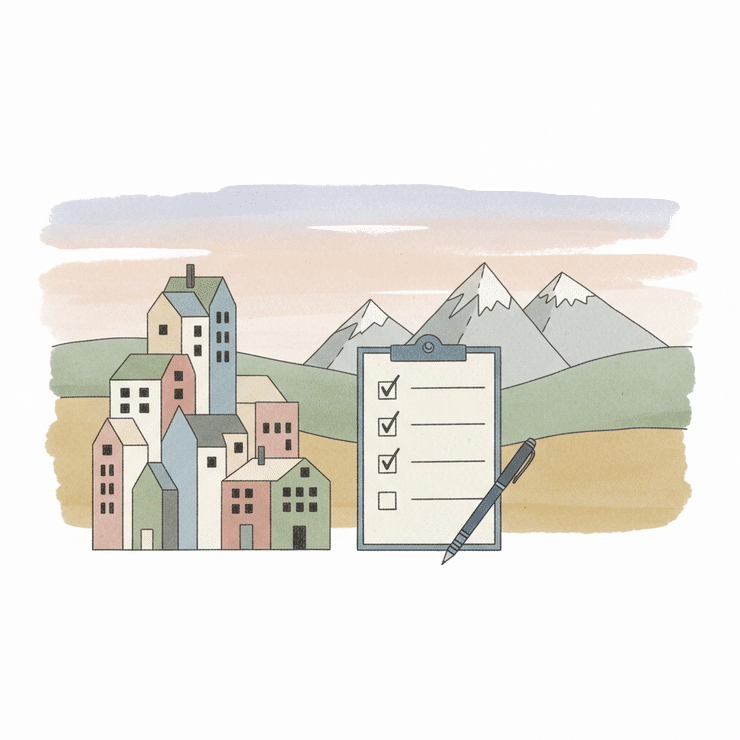
Let me be real with you: Section 8 isn’t some golden ticket. It’s the Housing Choice Voucher Program—feds pay a chunk of your rent directly to your landlord. You don’t get the cash. You’re stuck paying the rest, and that amount is not always as little as you hope. Here’s what nobody says: finding a landlord who’ll take it is a whole other fight, but more on that later.
There are two flavors of Section 8, and you need to know the difference:
- Tenant-based vouchers: You pick the place, the voucher sticks with you if you move. This is what most people know and want.
- Project-based vouchers: The voucher is tied to specific apartments or buildings—usually ignored, but sometimes those lists move faster because nobody’s paying attention. If the project-based waiting list is open anywhere, don’t sleep on it; apply even if you’re not sure you want that unit. You can always say no later.
You’ve got to meet income requirements—no way around it. For Idaho in 2025, the cutoffs change depending on your family size and which county you’re in. The numbers shift every year, but the bottom line: if you’re scraping by or have no income at all, you’re probably in. Still, double-check the latest income tables—search “Idaho Section 8 income limits 2025.” Don’t trust old PDFs floating around. Housing authorities use last year’s forms way too often.
What Idaho Applicants Are Facing Right Now
Here’s what actually happens: demand for Section 8 in Idaho has been off the charts for years. Every time the feds bump up funding, rents jump higher, and more people get desperate. Waiting lists? Just keep growing.
If you’re in Boise, brace yourself—the average wait is years. Not months. Years. Some people die waiting. But—and here’s the hack nobody tells you—rural counties like Boundary, Clark, or Idaho County don’t have as many people gunning for spots. Their lists can move way faster, sometimes in months instead of years. If you can stomach the idea of living somewhere remote, apply everywhere you can.
Also, get ready for the paperwork marathon. Every single document matters. Lose a pay stub? Forget to sign one page? That’s months tossed in the trash. The system is looking for any excuse to push you back to the end of the line. Make a checklist, double-check every form, and don’t trust the office to track your stuff for you—they lose things all the time.
The Most Common Section 8 Myths in Idaho
Let me bust a few myths that mess people up:
- Myth: “Once I apply, I’ll get help soon.” Nope. Some lists are closed for years. Others open with zero warning, then slam shut in a day. You’ve got to watch like a hawk or you’ll miss your shot.
- Myth: “I can only apply in my county.” Wrong. You can apply in any county where the list is open. Hell, you can apply out-of-state if you’re desperate enough to move. Cast a wide net—the system doesn’t care about your zip code.
- Myth: “Section 8 covers all my rent.” Forget it. Section 8 pays a percentage—usually 60-70%—but you’re still on the hook for your share. If your income goes up, so does your part. If your landlord jacks up the rent, you might end up paying more than you can afford. That’s the ugly truth they don’t put in the brochures.
Bottom line: the system is slow, messy, and full of traps. But if you know where to look and how to play the game, you can at least get on a list and start the clock.
Your Step-by-Step Section 8 Game Plan for Idaho
Alright, here’s what actually works. Forget waiting for someone to “reach out”—nobody’s coming to save you. You’ve got to out-hustle the system, and this is how you do it:
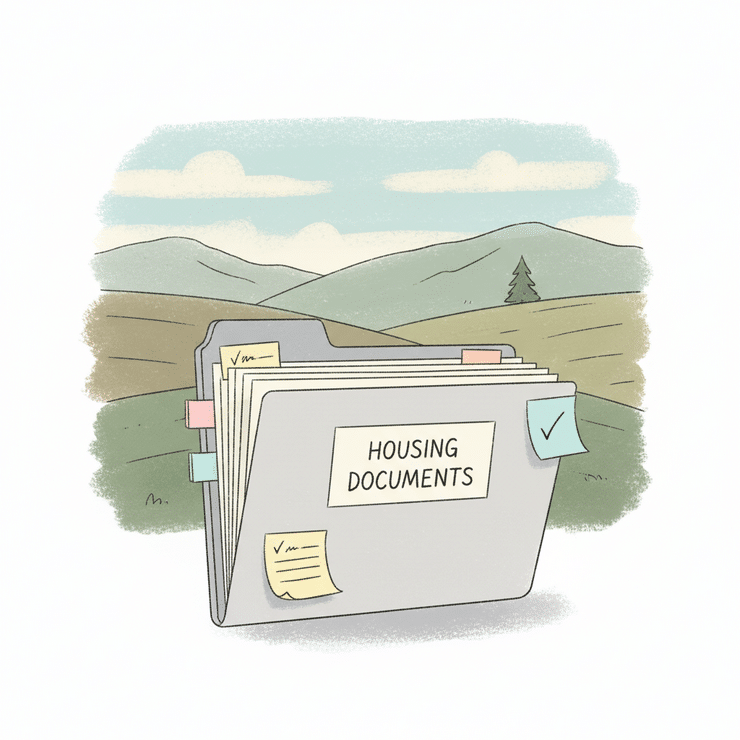
Step 1: Google like your rent depends on it (because it does). Type: “Google ‘[your county] housing authority'” AND every single county within 50 miles, not just the big ones. Hit up the rural ones too—yeah, they seem random, but sometimes their lists are open when everywhere else is frozen for years. Don’t trust any site that looks ancient, but don’t skip it either. Write down every housing authority you find. No exceptions.
Step 2: Get your paperwork together NOW. No, not tomorrow. As in, today. You need—birth certificates (everyone in your household), social security cards (again, everyone), last 3 pay stubs (if you work), or proof you have no income, bank statements, your current lease if you have one, and any medical or disability documents. If you show up to apply and you’re missing even one of these, you’re out. No mercy, no “come back later.” Lock this down in a folder and scan everything to PDFs. Yes, it’s a pain. Do it anyway.
Step 3: Make a spreadsheet. Authority Name | List Status | Date Applied | Login Info | Next Check Date. This isn’t busywork—this is your lifeline. You will be juggling a stupid number of waitlists and logins. If you miss a “next check date” or lose a password, you could wait three more years. Organization isn’t optional—it’s survival out here.
Step 4: Calling script (don’t freestyle this). Here’s what you say: “Hi, I need to know if your Section 8 list is open and when the next opening might be.” That’s it. Do NOT start explaining your life story, your eviction, none of it. They don’t care, and it will only slow you down. Get the info, write it down, hang up.
Step 5: Online applications—move fast, or get nothing. When a list opens, the site will probably crash. Don’t be shocked. Have all your docs turned into PDFs, saved and ready to attach. Set alarms for every opening date you find—don’t trust your memory. Apply the minute it opens. “First come, first served” is real. If you wait, you lose.
Step 6: Follow up like clockwork. Every 30 days—mark it in your phone, tattoo it on your arm, I don’t care—call or log in and check your status: “Just checking my status.” Not 29 days, not 31. They notice when you’re on it. You want them to know you’re serious, but don’t start begging. This is the only way you stay on their radar without getting flagged as a problem.
The truth nobody tells you: This process sucks. The odds are bad, the lists are long, the sites are ancient—and the only way through is to be relentless and organized. Yeah, it’s messed up, but this is how you get your shot. Don’t let them catch you slipping.
How to Track Down Idaho Housing Help That Actually Works
Here’s what actually happens when you start looking for Section 8 or any kind of affordable housing help in Idaho: you hit a wall of dead links, ancient websites, and phone numbers nobody answers. That’s by design—the system is built to wear you down. But you’re not letting it.

Start with these exact searches. No guessing, no creative phrasing, just copy and paste:
- “Google ‘[your county] housing authority’ waiting list”
- “Idaho Section 8 application”
- “affordable housing [your zip code]”
The truth nobody tells you: most official pages are stale or flat-out broken. If you don’t see a recent date or a big headline about openings, don’t waste your time clicking around. Go straight to the “News” or “Announcements” section on the housing authority’s site. If they’re not screaming about a list opening, bounce out and try the next search term. This is a numbers game, not a loyalty test.
Now, Facebook groups—these move faster than any agency. Search for groups like “[City] Housing Authority Updates,” “Section 8 Idaho,” and “[County] Affordable Housing.” Join every single one. Turn on notifications. This is where real people post about openings and deadlines before the agencies even update their sites. You want to see those posts the minute they drop.
Nonprofits: Most are just noise, but the ones that actually get people housed get talked about constantly in those Facebook groups and in the comments on local news stories. If you see a name come up over and over, that’s the one worth calling. Ignore the charities with the glossy websites and zero mentions by real renters—they’re not moving the needle for you.
Critical warning: If you’re homeless, disabled, fleeing violence, or your kids are in foster care, you have legal fast tracks. When you talk to anyone at a housing authority, ask straight up: “Do you have emergency preferences, disability accommodations, or family unification programs?” Use those exact words. If you qualify, these can bump you up the list—sometimes way up. They won’t volunteer this info, so you have to ask loud and clear.
Yeah, it’s messed up, but this is how you get to the front faster. Don’t let the system’s chaos throw you off. Stay tactical, stay persistent, and don’t waste a second on dead ends.
What to Expect from Section 8 in Idaho—The Good, Bad, and Ugly

The Good
If you win this lottery (and it really does feel like one), Section 8 can change your whole damn life. We’re talking stable rent, sometimes hundreds less a month, which means you finally have cash for groceries that aren’t just ramen. You might even actually save money for once, instead of watching your bank account circle the drain every month.
Now, here’s the part most people miss: rural counties. Everyone’s gunning for Boise or Idaho Falls, but the magic is hiding in places no one’s thinking about. Smaller towns mean less competition. The waitlist isn’t a black hole—sometimes it’s months, not years. If you can handle a quieter spot, this is how you beat the crowd.
And don’t sleep on Project-Based Vouchers. Yeah, everyone chases the regular vouchers, but these are tied to specific buildings—less popular, which means less of a stampede. Sometimes you can get into a place faster just because no one else bothered to look. If you see “Project-Based” anywhere on a list, don’t ignore it. Apply to both if you can.
The Bad
Now, buckle up. If you’re set on Boise, Idaho Falls, or anywhere with an actual Starbucks, get ready for a wait you can measure in years, not months. That’s not an exaggeration. It’s how it is. The line is brutal.
Paperwork? It never ends. They’ll ask for everything—pay stubs, IDs, your entire life history. One wrong date, one missing signature, and it’s back to square one. I’ve seen people lose their spot over a single form. Inspections are another nightmare: even after you finally get approved, the place has to pass, and that can stall move-in for weeks. Sometimes the landlord won’t fix things, and you’re stuck waiting even longer.
And here’s the kicker: the housing authority won’t chase you. They lose your number, your file gets buried, and if you don’t call, you’re invisible. You have to follow up, over and over. Don’t wait for a golden ticket in the mail because it’s not coming.
The Ugly
Ready for the worst? Some waitlists in Idaho never open. Others open for an hour, fill up, and then slam shut for the rest of the year. Blink and you miss it. If you’re not watching every day, you’re out in the cold—sometimes for literal years.
Even if you get that golden voucher, the struggle isn’t over. Finding a landlord who’ll take Section 8 is a whole second battle, especially in tight rental markets. Some landlords won’t touch it; others act like they lost your application. You’ll hear a lot of “Sorry, we don’t accept vouchers”—get used to it.
And this is the worst truth: you can play by every rule, do everything right, and still wait. There’s no guarantee, no matter how hard you hustle. That’s the broken part of the system. But you work it anyway, because it’s still the best shot you’ve got.
Take Action Today to Secure Housing in Idaho
So you’re staring down eviction, or maybe you’re already couch-surfing and desperate for a real plan. Here’s what actually happens if you wait: you lose out, period. Section 8 in Idaho is a race, not a line you politely queue up for. If you don’t start now, someone else who’s hustling harder gets the spot.
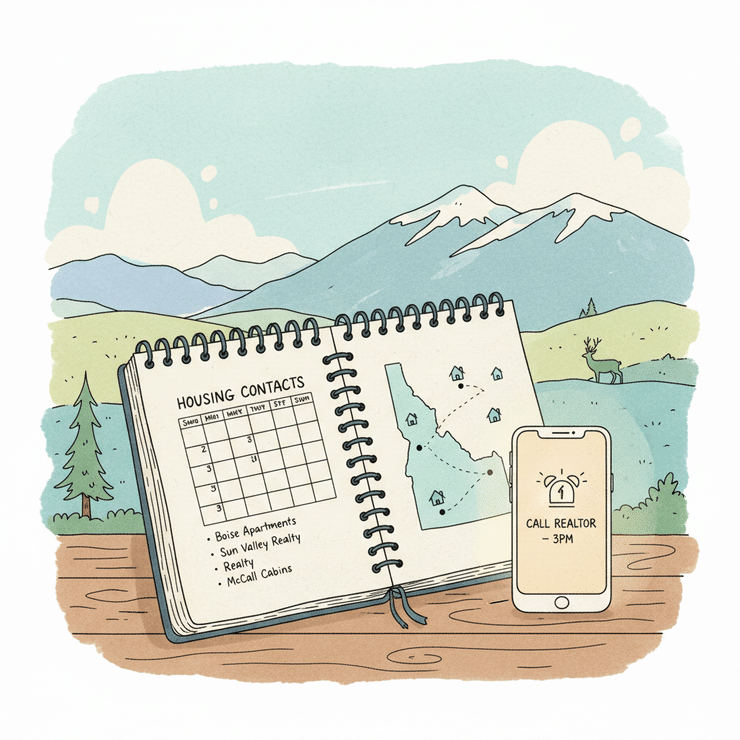
Map out every housing authority and waiting list within driving distance. Don’t just look for your city—cast a wide net. Google “[your county] housing authority” and then do the same for every county you could get to if you had to. This isn’t the moment to care about commute times. Write down every authority, every public housing agency, every random nonprofit managing a waitlist. If you’re not sure a place covers your area, call and ask specifically: “Do you manage a Section 8 waitlist, and is it open?” Don’t let one person’s vague answer stop you—call back, talk to someone else, dig until you know for sure.
Get your documents together like your life depends on it. Because it does. Birth certificates, Socials, pay stubs, IDs, anything with your name and address—if you’re missing something, start the process to replace it now. You’ll be shocked at how fast they’ll drop your application if one doc is missing. No mercy.
Create a tracking spreadsheet or a notes app file—whatever you’ll actually use. List every agency, when you applied, who you talked to, what they said, and when to follow up. This is your lifeline. The truth nobody tells you: agencies lose paperwork, forget you exist, and mess up their own lists. If you can’t prove you called or applied, you’re just a number they can ignore.
Set your phone to remind you every 30 days—minimum. The system rewards squeaky wheels. Every month, check your application status and re-ask about openings. Use exact phrases: “Am I still on the waitlist? Has my spot moved? Are any lists opening soon?” Don’t trust websites to be up to date—call, email, show up if you can. If you’re not annoying them, you’re not in the running.
Tonight, not tomorrow, join every local housing and Section 8 Facebook group you can find. These groups are where people drop real-time info about list openings, landlord tips, and the kind of stuff you’ll never hear from the housing authority. Search for groups with your city, county, or “Idaho Section 8” in the name. Lurk, ask questions, DM people who’ve been through it. This is how the insiders hear about openings before the website catches up.
Don’t Wait for a Perfect Moment
Here’s the cold truth: waiting for your schedule to clear up or for life to get less chaotic is just another way to lose. The system isn’t built for your convenience; it’s built to weed people out. Persistence, organization, and speed win. If you’re waiting for some mythical “right time,” you’ll be waiting years. Grind through the chaos, get your name down, and deal with the details later if you have to.
Remember: You’re Not Alone
Look, this process is brutal and you’re going to feel like you’re the only one getting jerked around. You’re not. There are thousands of people grinding through the same mess, hitting the same brick walls. The difference between the ones who get housed and the ones who don’t? The ones who stay on it, keep pushing, and refuse to let all the broken, outdated, and unfair rules stop them. The system is stacked against you, but you can still beat it. Don’t let up. Not for a second.